Settlements and cities
Follow early farming, permanent communities, and the city scale problems that emerged on Mesopotamia’s river plain.
 Dynamic HistoryTimeline & Maps for Students
Dynamic History / Ancient world / Grades 6–8
Investigate the ancient world through the places and evidence it left behind.
Seven guided map lessons invite students to test claims about settlement, writing, law, rivers, monuments, and archaeology.
7 lessons available · Guided map investigations
The story behind the map
Why did some communities settle down? How did cities grow between the Tigris and Euphrates? What can clay tablets tell us about writing, and what does a law collection reveal about justice? Each lesson begins with a question students can examine using places and surviving evidence.
The sequence continues along the Nile and into ancient Egypt. Students compare what is known, what is inferred, and what remains uncertain about the pyramids and Tutankhamun’s tomb.
See the series in action
Preview the maps, places, and historical evidence in the seven lesson series.
Series preview · Ancient Civilizations
What students investigate
Follow early farming, permanent communities, and the city scale problems that emerged on Mesopotamia’s river plain.
Read clay tablets and Hammurabi’s stele as evidence of how people recorded work, rules, and disputes.
Use river geography, building sites, and a royal tomb to separate observation from claims about ancient Egypt.
The series
All seven investigations are available. The first lesson is free, and the catalog includes both individual module products and a seven lesson bundle.
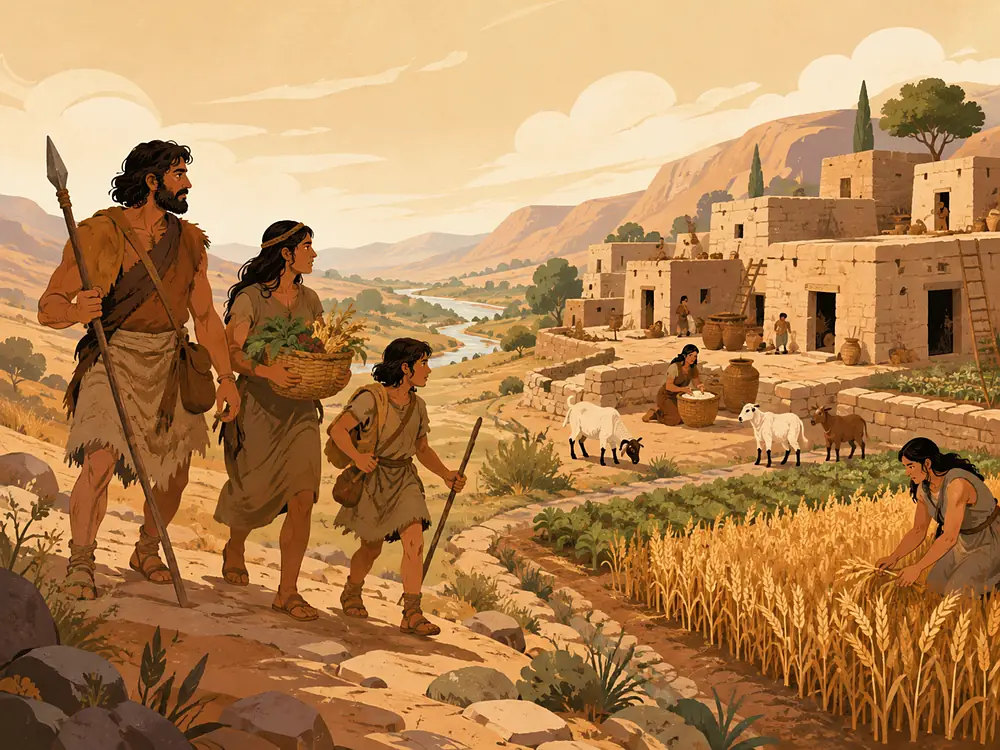
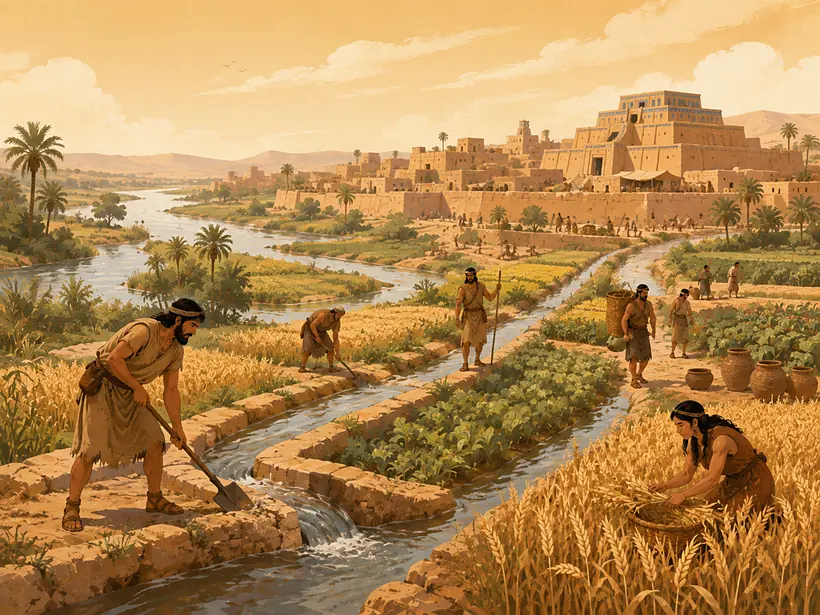
How did communities on a changing river plain solve the new problems created by city-scale life?
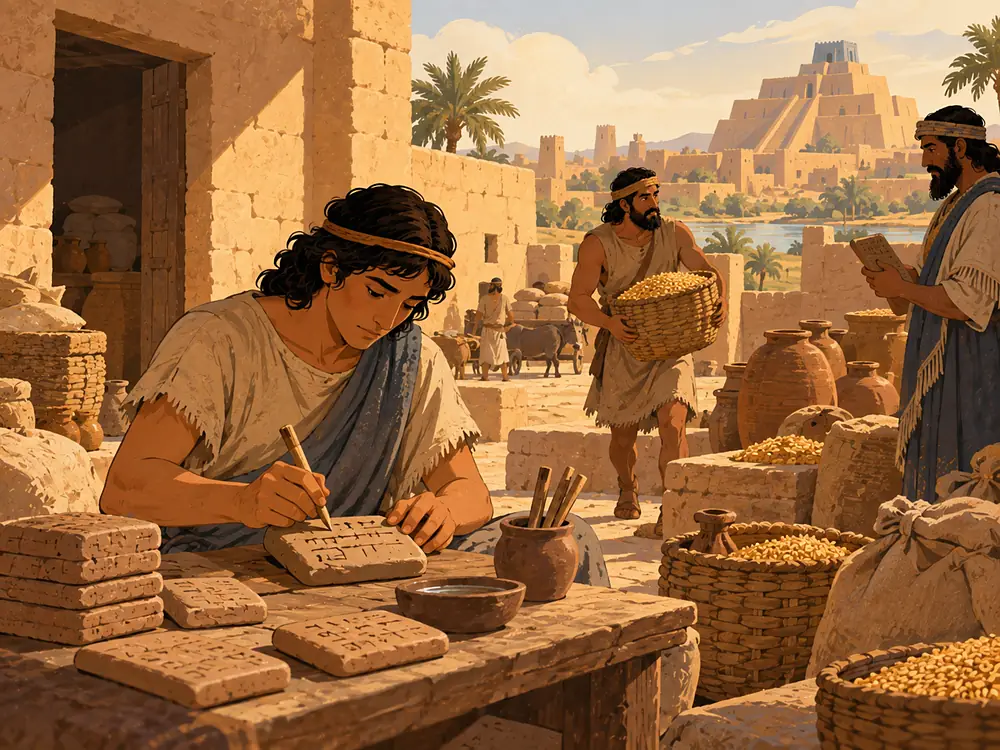
Investigate how early records became a flexible writing tradition through archaeological sites, clay tablets, and evidence-based reasoning.
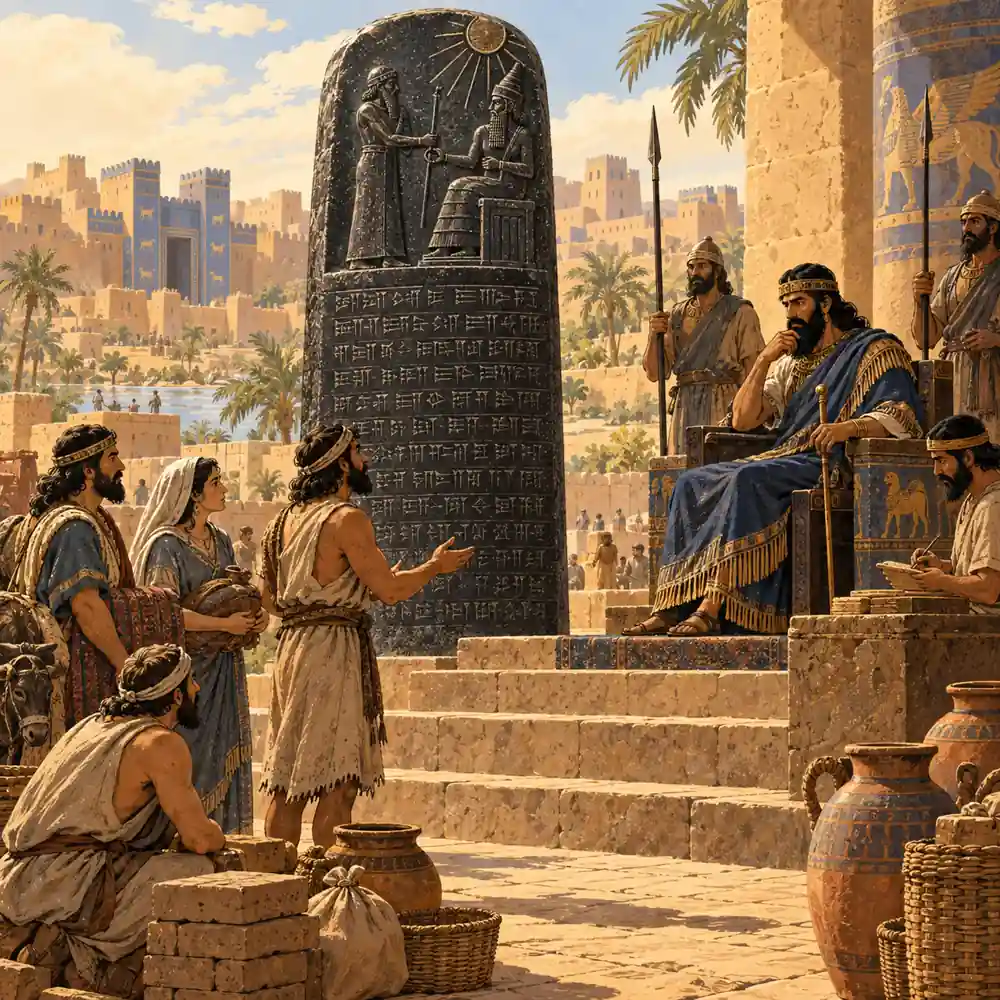
Test the claim carved on the stele against earlier law collections, the penalties themselves, and the records of real Babylonian court cases.
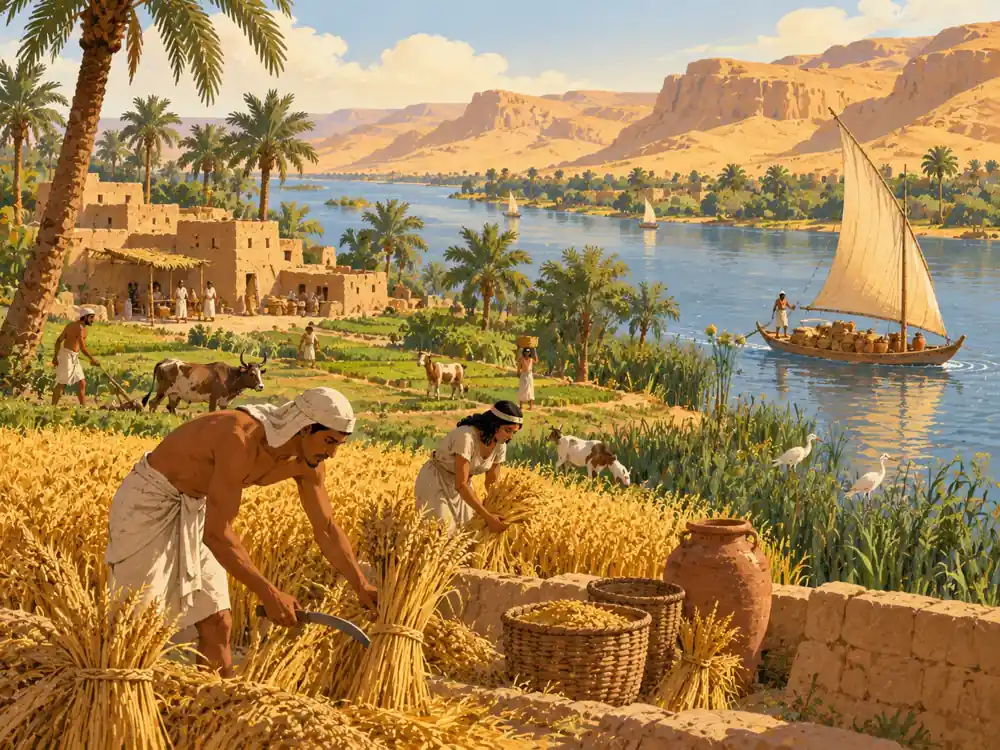
Follow the Nile north from the rapids at Aswan to the delta, and weigh what the river gave Egyptians against what they had to build, measure and organize for themselves.
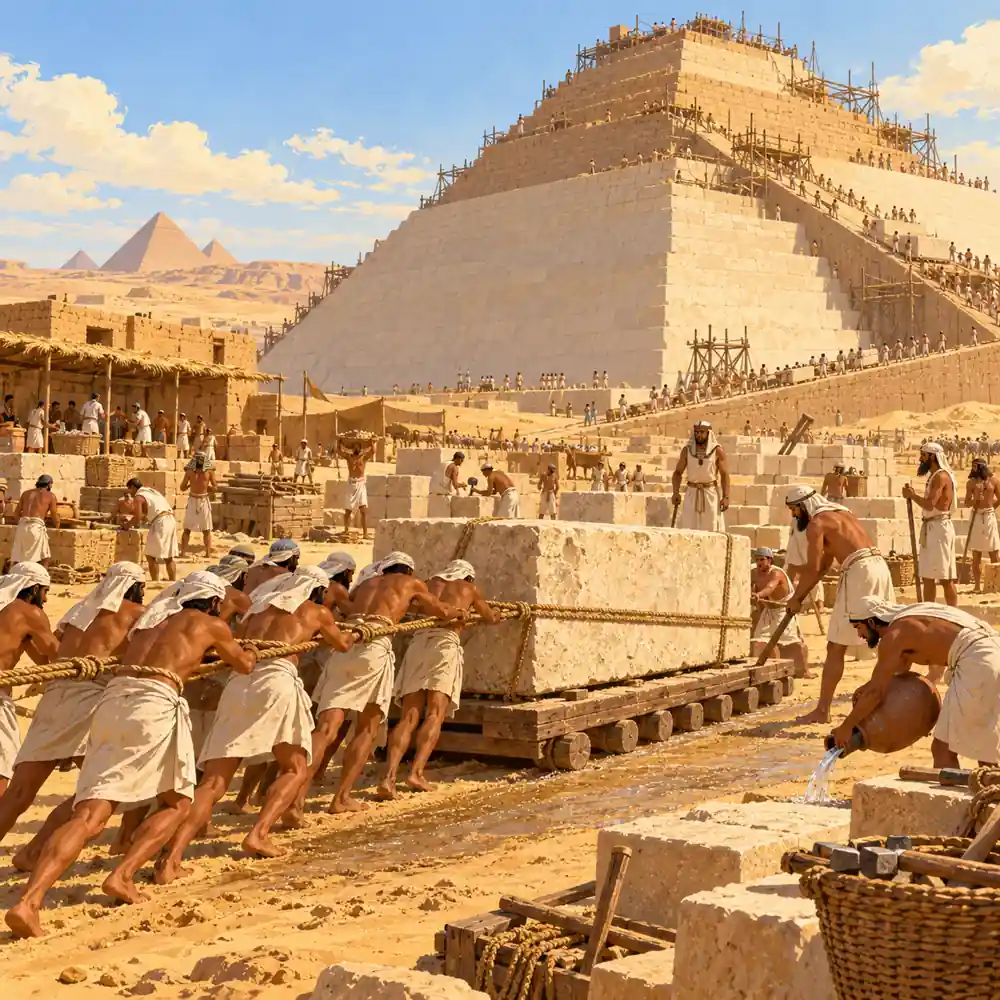
Sort the evidence from the quarries, the river, the builders’ town and the ramps into what was recorded, what was measured, what was tested, and what is still unknown.
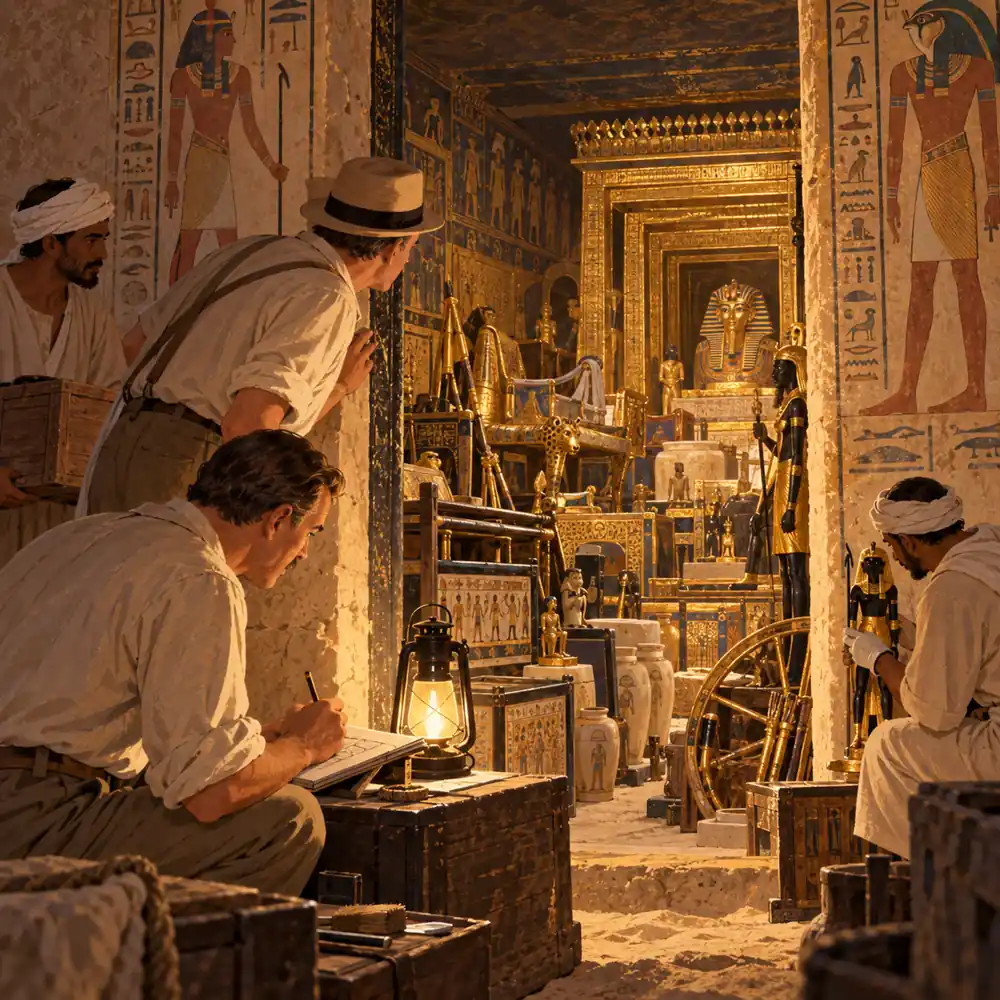
Follow Tutankhamun's tomb from the first step in 1922 to the records in Oxford, and test what one royal burial can and cannot prove about Egypt.
For teachers and curious students
Begin with the free early humans lesson, then follow the evidence into Mesopotamia and Egypt.
Begin with the free lesson